We're at ICCAS 2026 in Singapore, 14 to 16 September. See our AI systems live.

Read More about atlantiq AI at ICCAS 2026

AI-Native Design Intelligencefor Shipbuilding

Seats available for Q4 2026

AI-native.Human-led. Human-approved.

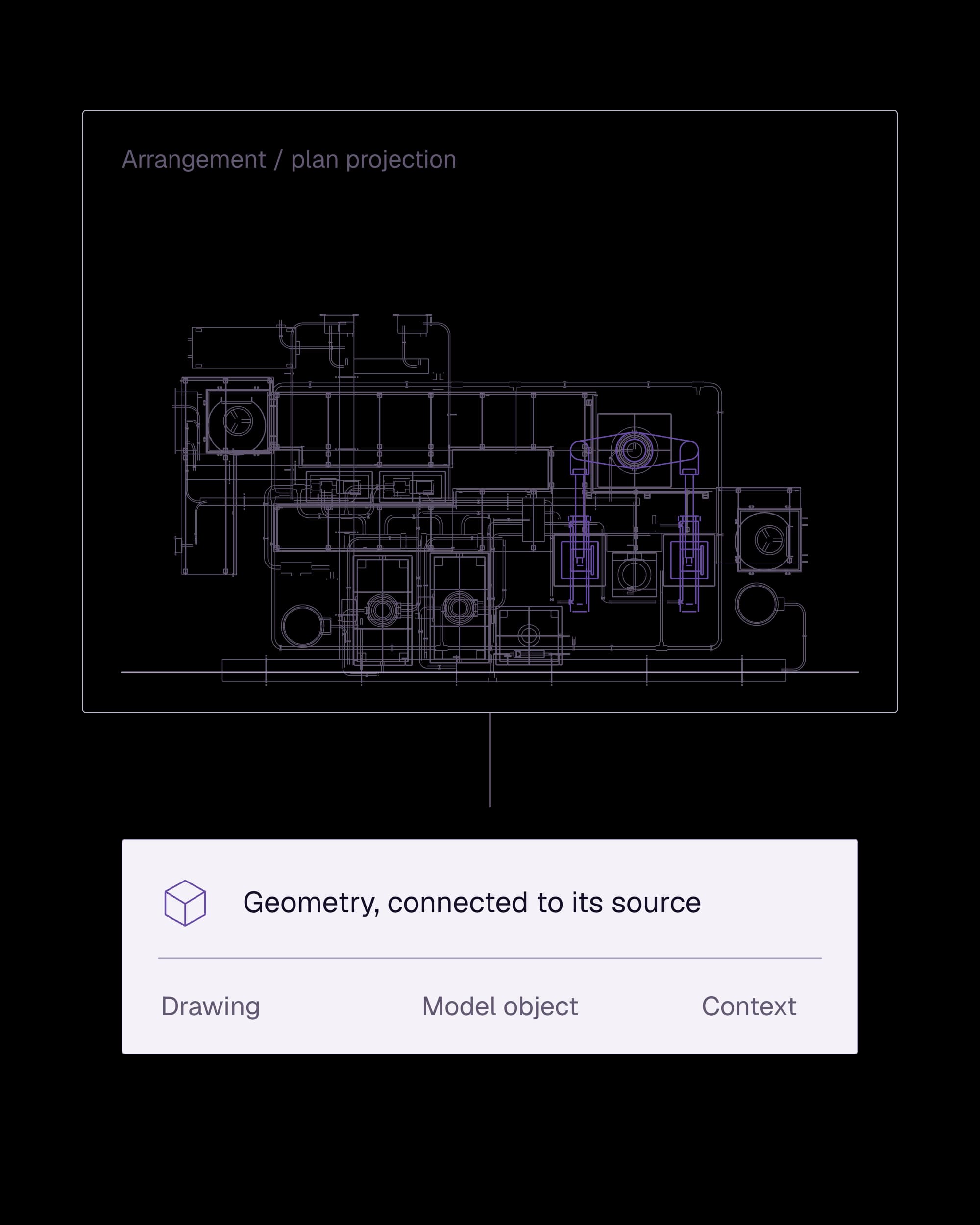
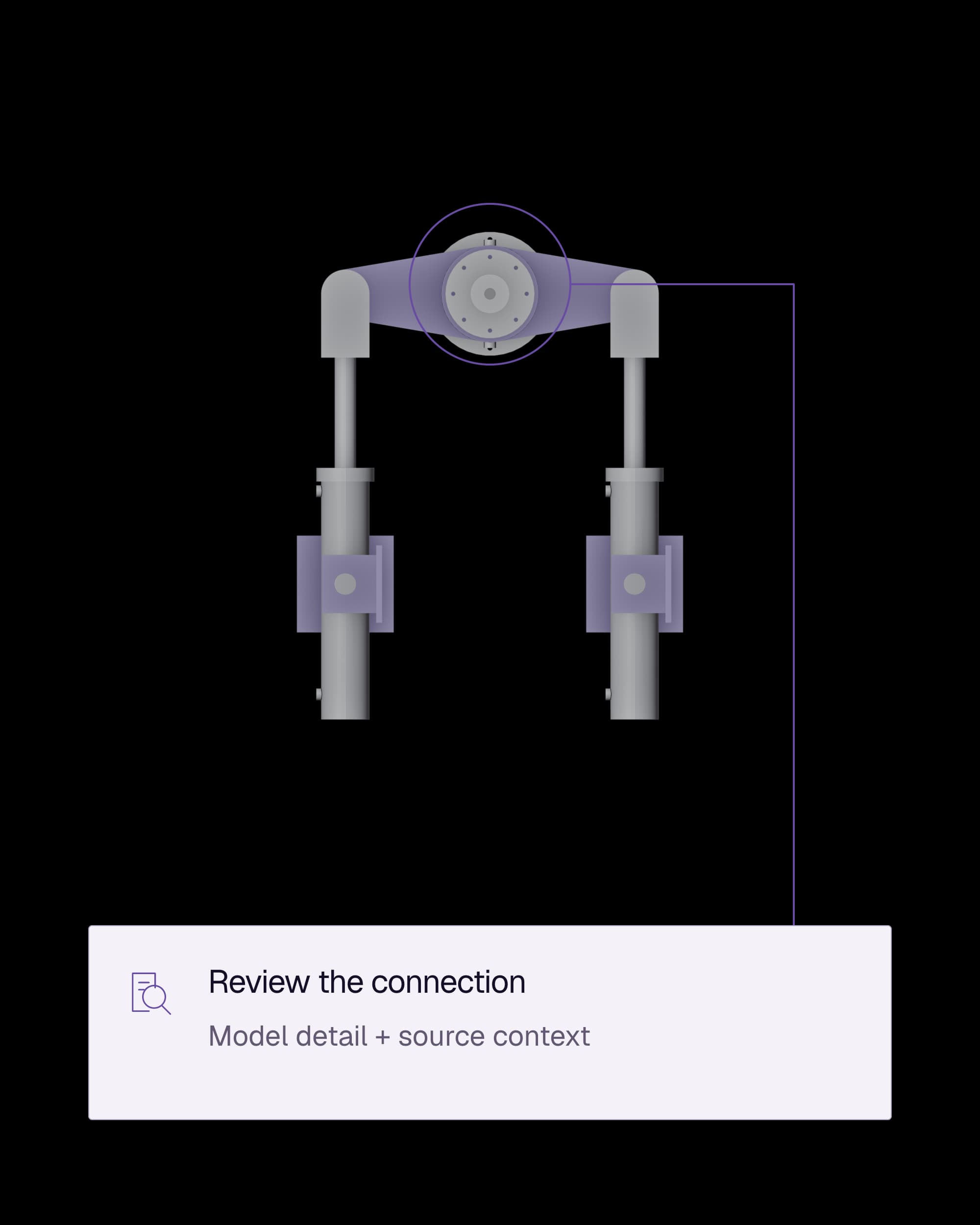
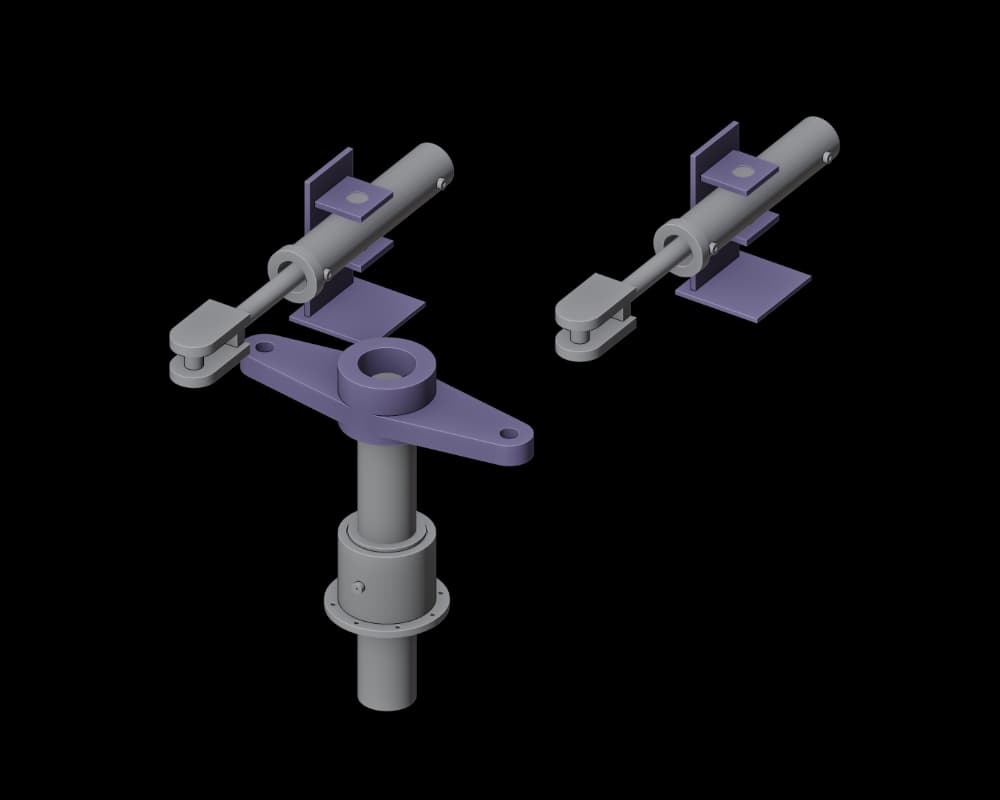
Steering-gear assembly with twin hydraulic actuators and a central rudder stock

Engineering-aware AI

AI tuned to the realities and constraints of shipbuilding.

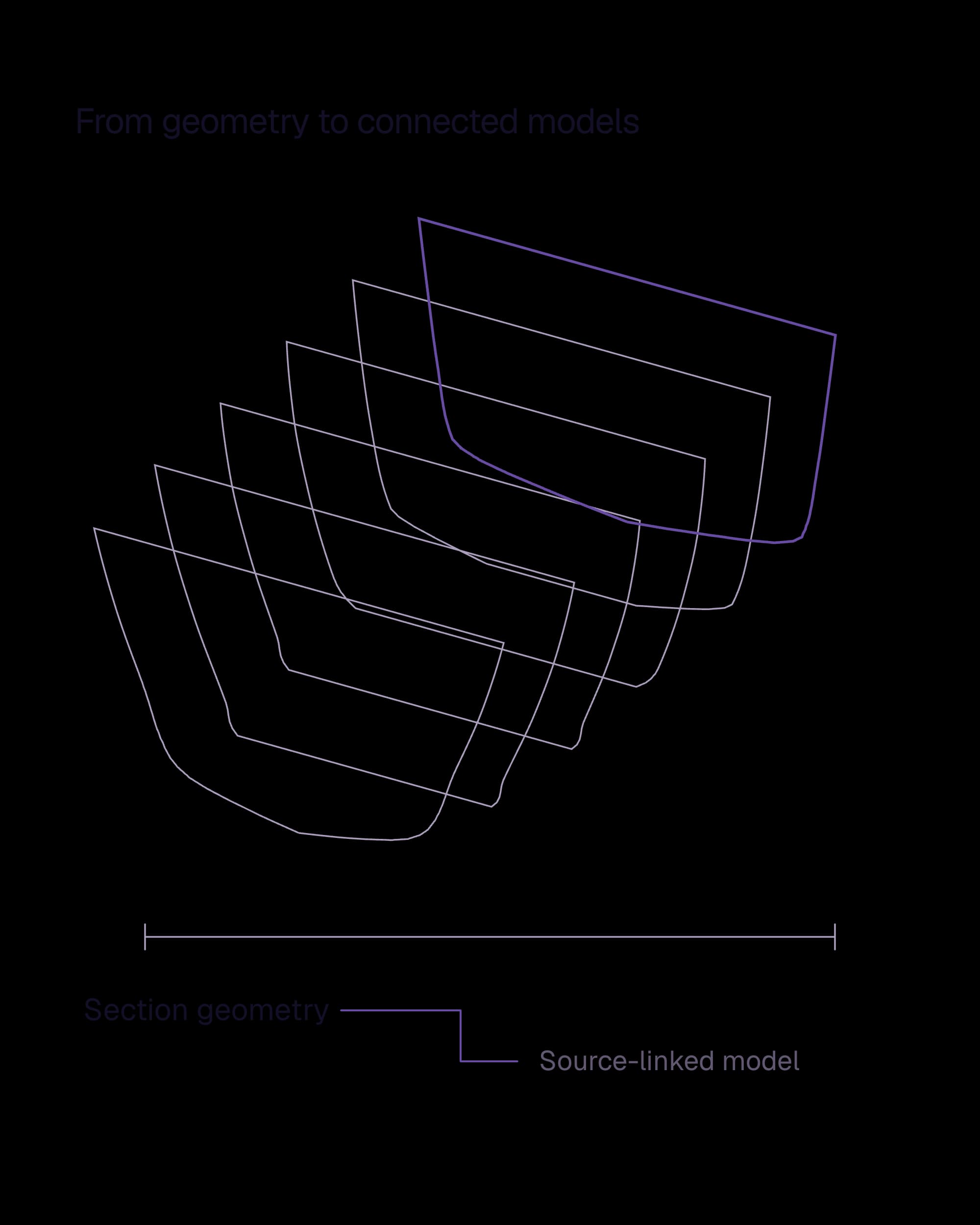
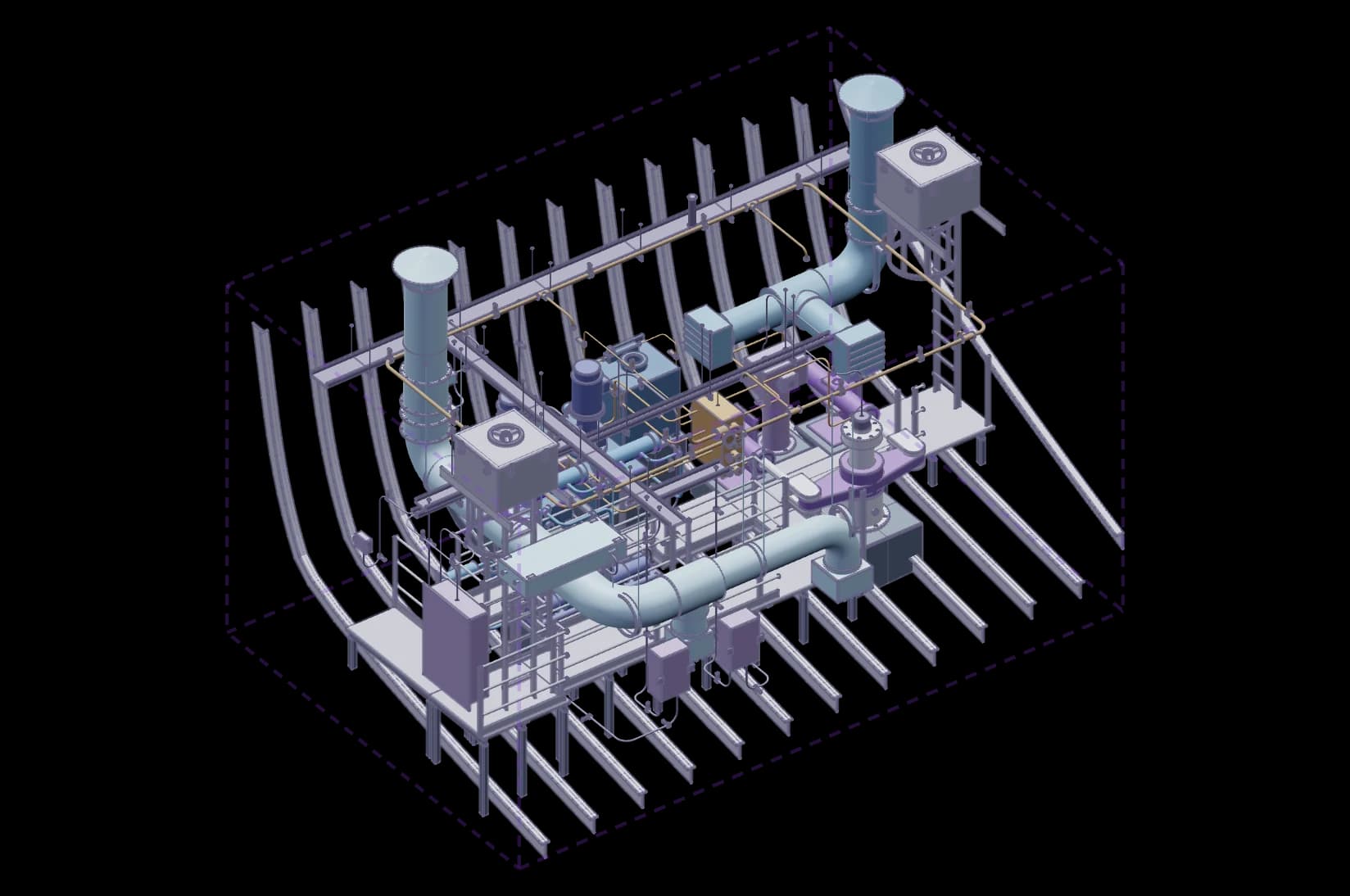
Natively understands the spatial and physical meaning of complex vessel designs across 2D and 3D CAD, images, text and other engineering data to inform design and review.
Learn more about Engineering-aware AI
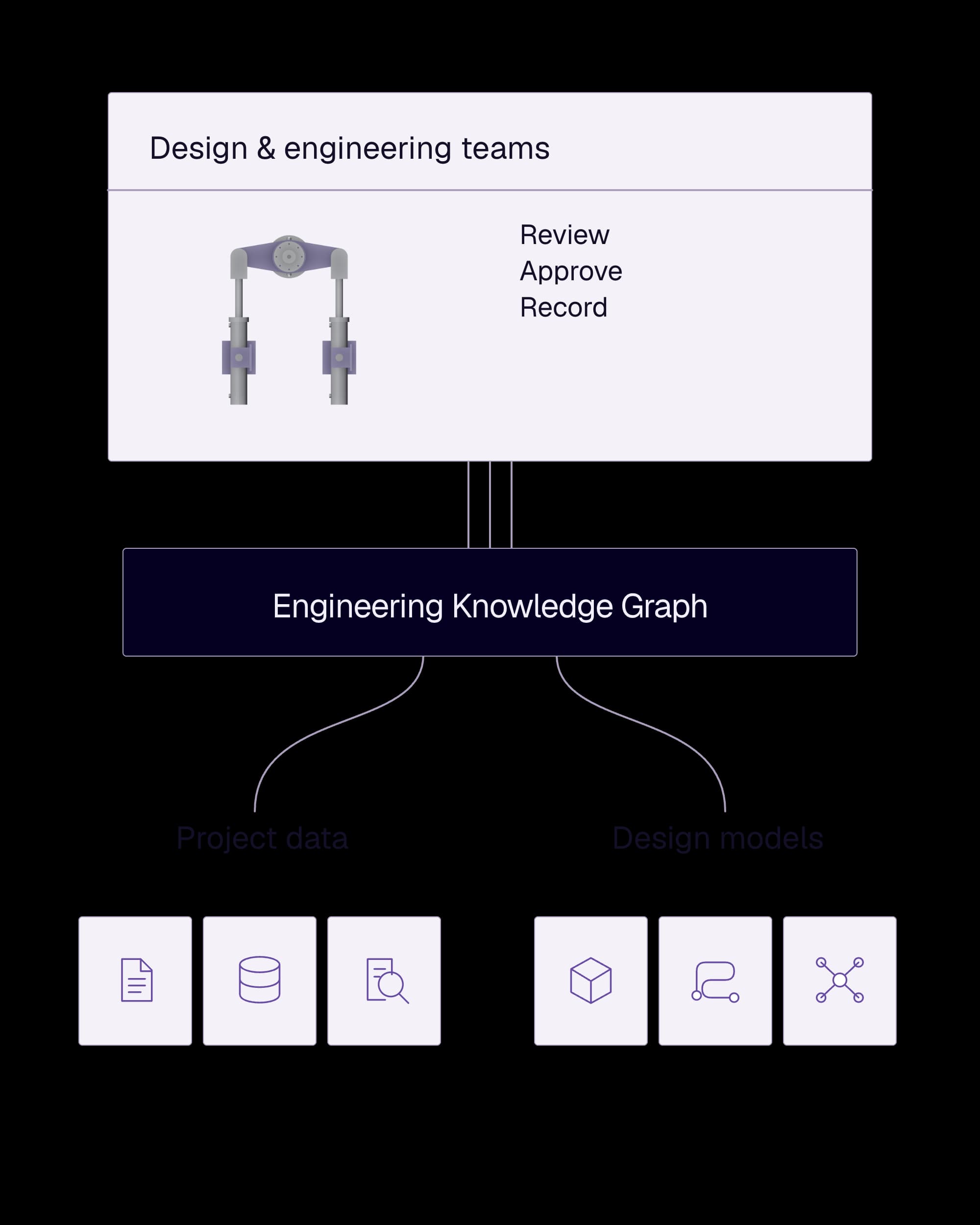
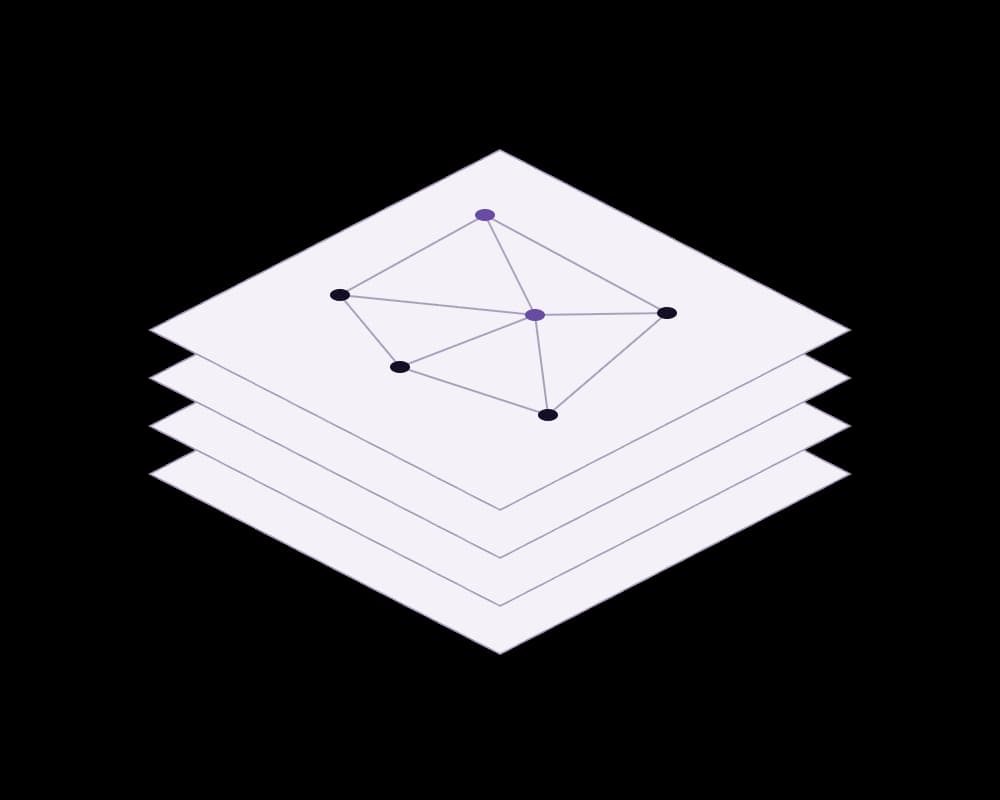
Connected engineering records represented as linked nodes above a stack of information layers

Ship Design Ontology

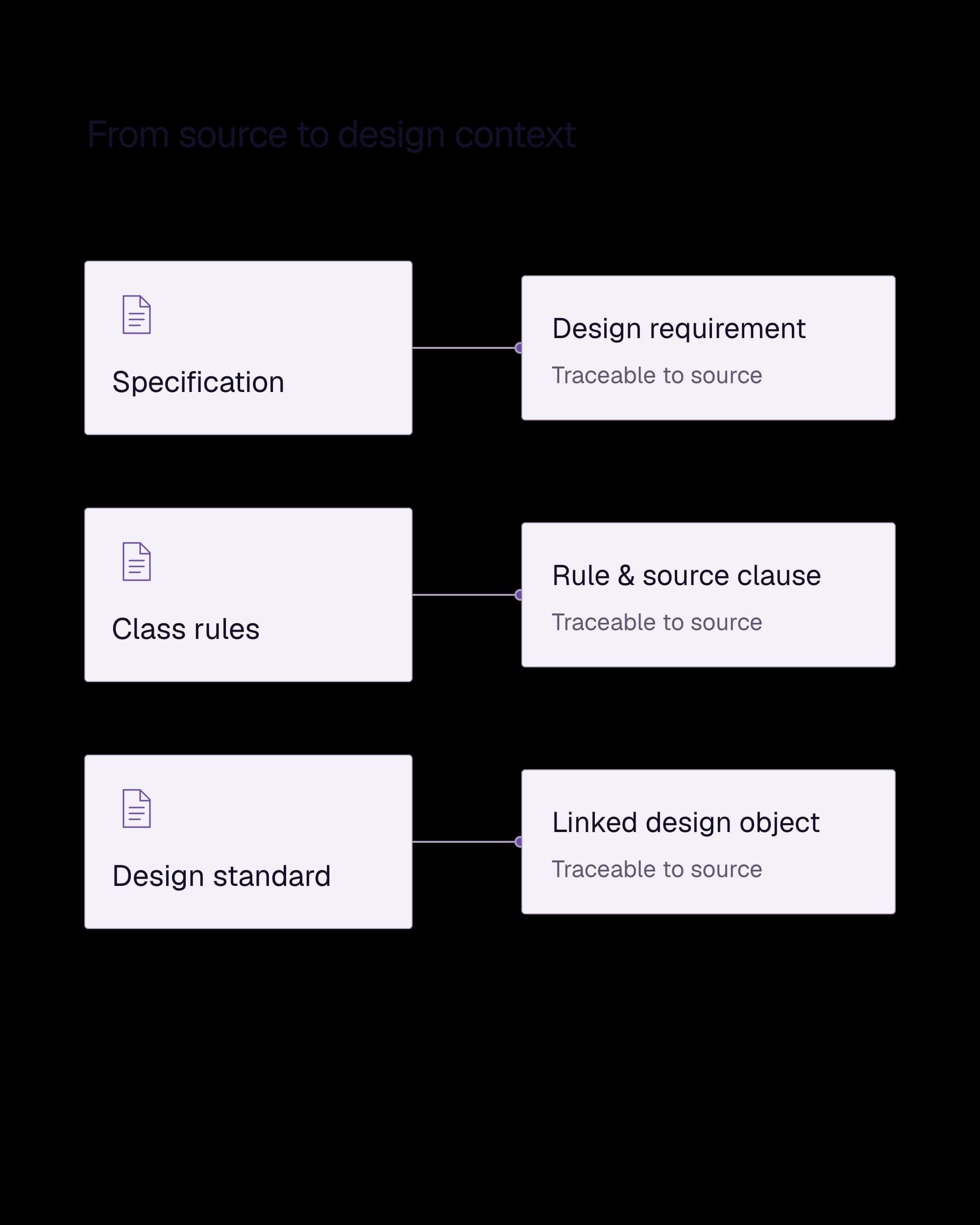
A structured understanding of the vessel: its spaces, systems, equipment and the requirements that govern them.

Connects what each element is, where it belongs and how it relates to the rest of the design, with traceable sources and revisions.

Learn more about Ship Design Ontology
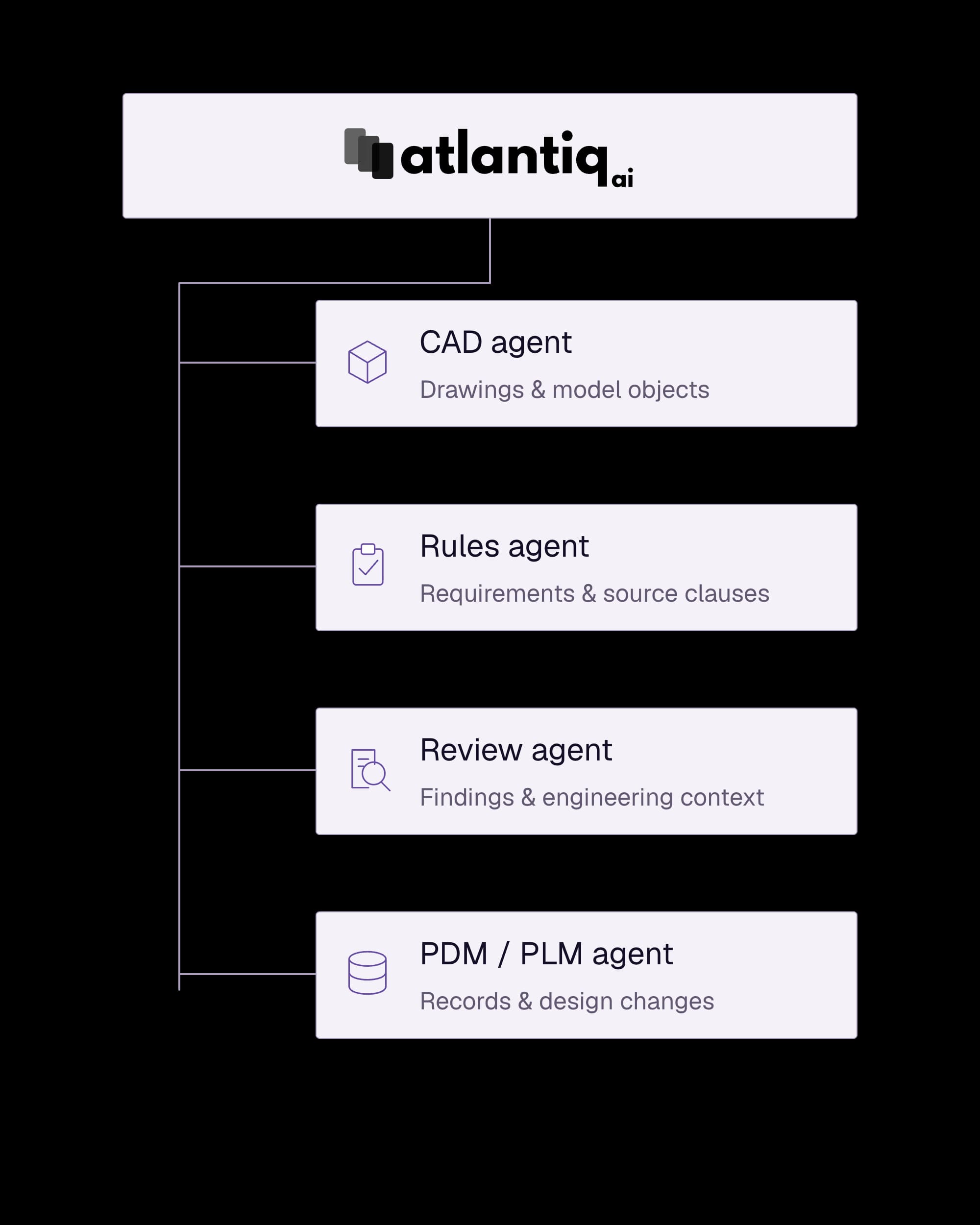
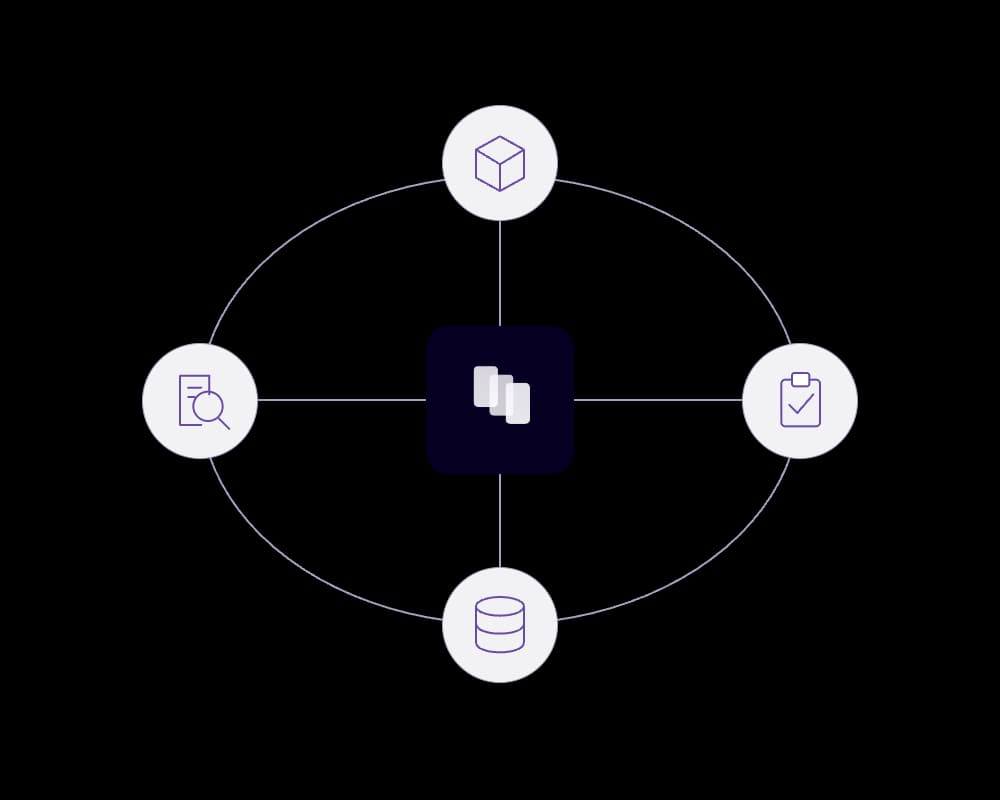
atlantiq AI connects model, review, approval and data tasks in an engineering workflow

Agentic Workflows

AI agents use vessel context and engineering constraints to carry out design, review and data tasks.

Each step builds on the relevant sources and preceding results, with engineers directing the work and approving changes.

Learn more about Agentic Workflows
Why atlantiq AI?

Built for the realities of ship design.

AI that understands ship design

Tuned to shipbuilding realities and constraints, our AI natively interprets the spatial and physical meaning of vessel designs across 2D and 3D CAD, images, text and other engineering data.

Loading visualDocument and drawing intelligence

Interpret geometry, symbols, annotations and technical text together to identify vessel spaces, systems and equipment, with each interpretation linked to its source.

Loading visualDocument and drawing intelligence

Determine which rules apply to the vessel and its intended service, then connect their clauses to the affected spaces, systems and design decisions.

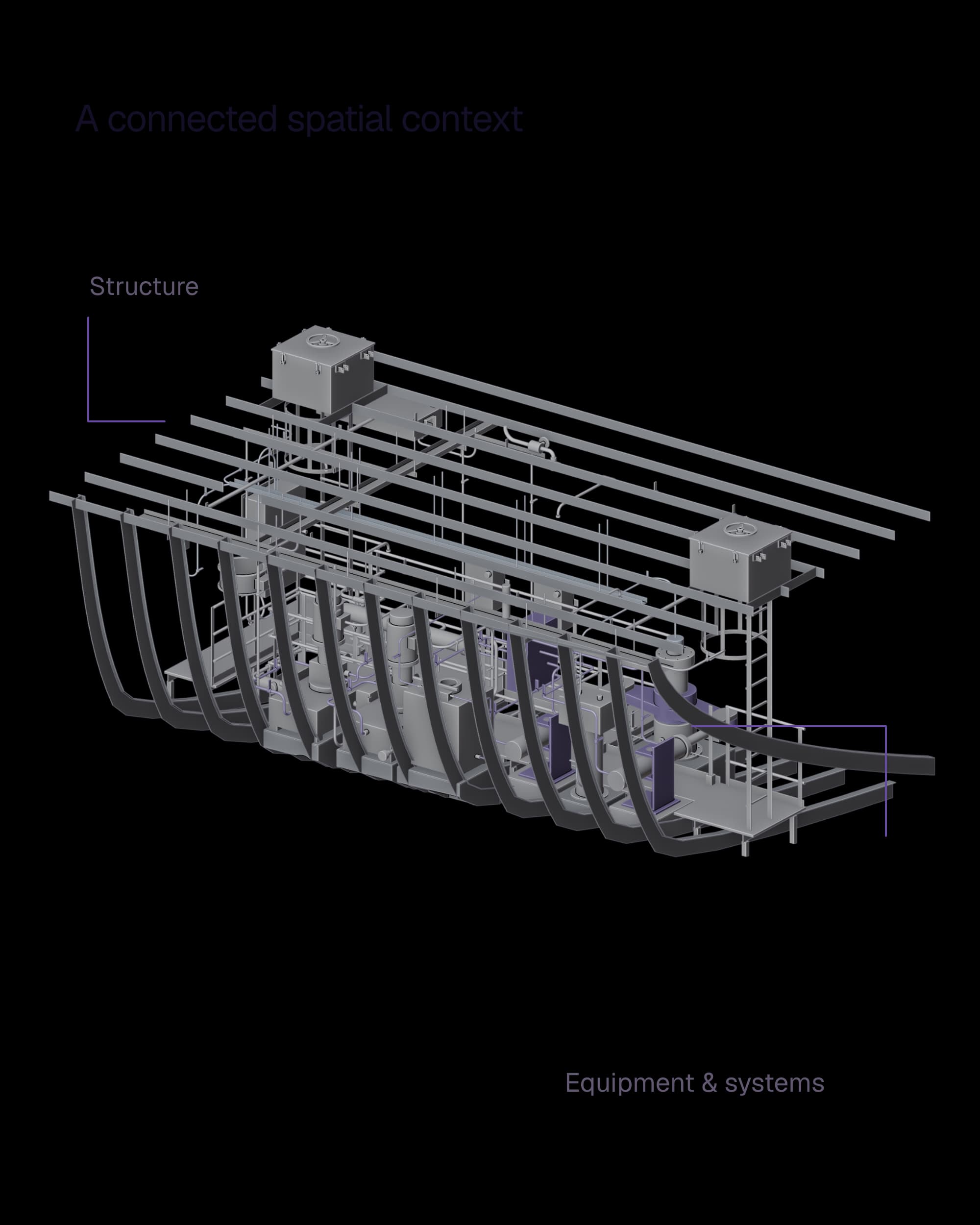
Understand how compartments, structure, equipment and systems fit together across drawings and models, including boundaries, connections, access routes and working clearances.

Develop first-pass drawings, models and supporting documents from the design brief, vessel requirements and project conventions for engineers to refine and approve.

Check designs against spatial constraints, applicable rules and project requirements. Locate each finding in the drawing or model and show the evidence for engineer review.

Coordinate specialist agents around the task, its dependencies and the relevant vessel context. Carry sources and results between steps, with engineer approval where required.

Learn more about Engineering-aware AI

Ship design intelligence in practice

Concept Design

Explore more design options and reach a viable concept sooner.

Develop initial arrangements and spatial models from the design brief, reference drawings and vessel requirements.

Compare space allocation, system relationships and design constraints before selecting a concept to develop.

Explore use case

Explore more design options and reach a viable concept sooner.

Develop initial arrangements and spatial models from the design brief, reference drawings and vessel requirements.

Compare space allocation, system relationships and design constraints before selecting a concept to develop.

Explore use case

Accelerate model development and free up design capacity.

Develop equipment, supports and system detail in the context of surrounding structure, spaces and interfaces.

Review proposed geometry against access needs, design intent and project standards before incorporating it into the model.

Explore use case

Deliver production packages sooner, with less manual drafting.

Prepare production drawings and associated schedules from approved model information and yard conventions.

Keep dimensions, component references and revisions coordinated for production engineering review.

Explore use case

Drawings reviewed against requirements, standards and the rest of the set.

Interpret geometry, symbols and annotations alongside specifications and related sheets to check the design in context.

Review inconsistencies and requirement findings at the affected drawing location, with the supporting clause or source.

Explore use case

Model objects reviewed against rules, specifications and owner requirements.

Check equipment and system arrangements against surrounding structure, access routes, working clearances and applicable requirements.

Examine each finding on the affected model objects and review the proposed resolution before accepting a change.

Explore use case

Design data becomes connected engineering records your applications can use.

Interpret 2D and 3D CAD, images, technical text and data exports to identify vessel objects, properties and relationships.

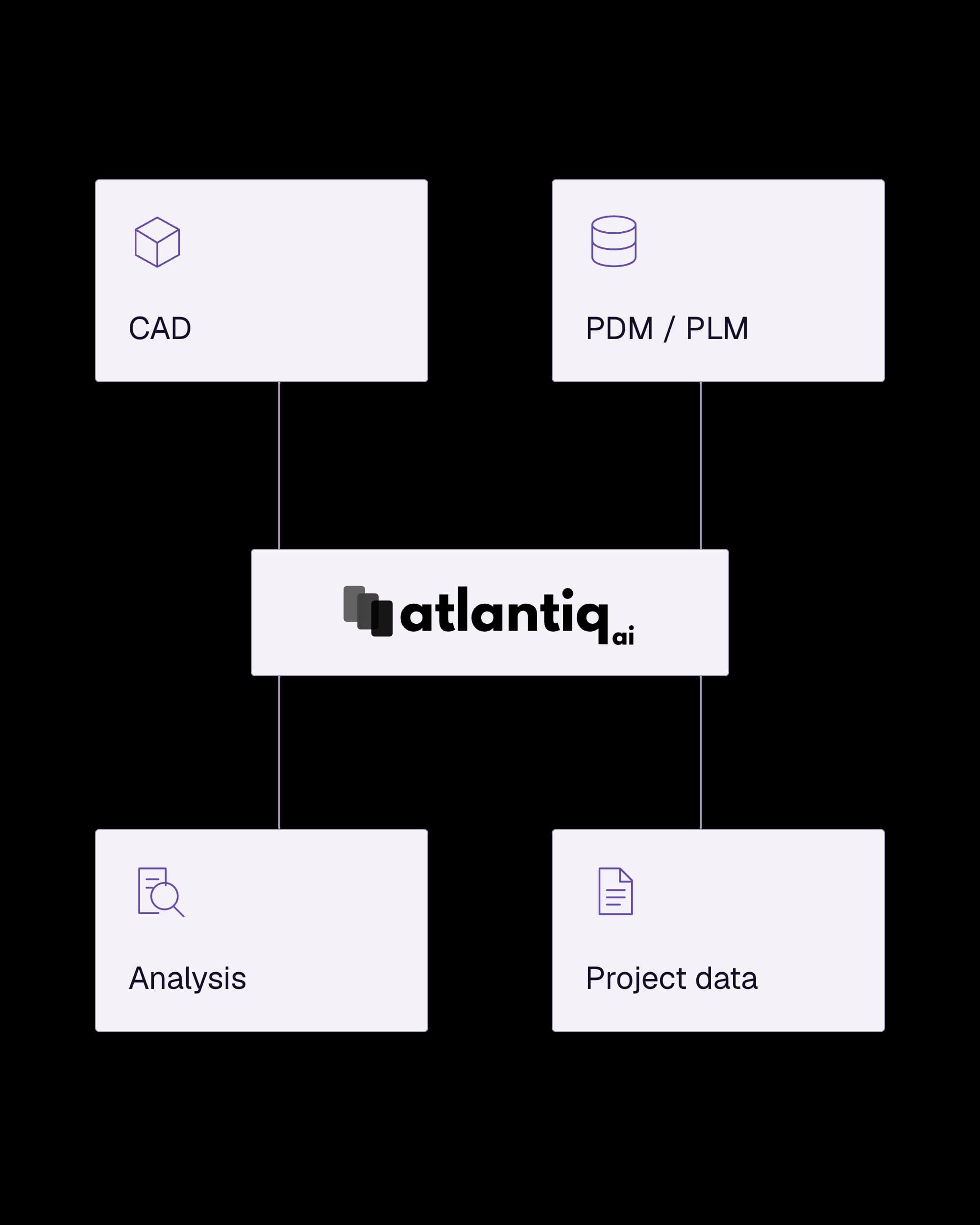
Map that engineering meaning into the records your CAD, PDM or PLM application needs, retaining source references.

Explore use case

Incomplete and inconsistent engineering records arrive with proposed corrections.

Use vessel context and source data to identify missing properties, duplicate objects and inconsistent classifications.

Review suggested values and relationships with their supporting evidence before updating the records.

Explore use case

Approved record updates and task handoffs run inside your existing tools.

Coordinate data intake, enrichment and record updates across CAD, PDM and PLM using the relevant vessel objects and task dependencies.

Pass results, source references and approval status to the next task so teams spend less time transferring and reconciling data.

Explore use case

Engineering questions lead to source-backed answers and actions in vessel context.

Work with AI that connects your question to the relevant drawings, model objects, requirements and revisions.

Examine the supporting evidence, direct follow-up work and review proposed actions within your engineering workflow.

Explore use case

Applicable rules and requirements form one source-linked set for the vessel.

Assess class rules, statutory requirements and owner specifications against the vessel type, particulars and intended service.

Review the proposed applicable set, its rationale and source clauses before establishing the design requirements.

Explore use case

Conflicting and incomplete requirements surface before they drive design decisions.

Compare specifications, rules and project documents to identify contradictions, gaps and dependencies affecting the vessel.

Review each issue with its sources and affected systems or spaces, then resolve it before taking the design forward.

Explore use case

The compliance record links requirements to their design evidence.

Connect applicable requirements to the vessel spaces, systems and equipment they govern and the drawings or models that demonstrate compliance.

Track evidence, open findings and engineer dispositions against design revisions as the vessel develops.

Explore use case

Trusted by firms designing the most complex vessels

70-95%
faster across deployed workflows, from requirements registries to design review
Thousands
of hours of real ship design work already running through the platform
Minutes
from catalogue page to a native, placeable parametric component, instead of days

Deliver more ship design work with your existing team.